

Immigration Law – Discover 7+ Little-Known Insights
Understanding immigration law is vital for any immigrant looking to live and work in Australia. This section aims to provide clarity on legal rights, requirements, and common inquiries regarding the immigration process. Please remember none of the below is legal advice!
Table of Contents
Understanding Your Legal Rights
Right to Appeal
If your visa application is refused, you generally have the right to review the decision. You can appeal to the Administrative Review Tribunal (ART), provided you meet certain conditions. You can represent yourself at the hearing, or hire a lawyer to help guide you through your case to give you the best chances of success.

In some circumstances, it might be better to apply for a new visa. This may be the case if your visa appeal will not win or if it will be quicker or cheaper to lodge a new visa application. To apply for a new visa you need to meet the requirements of that visa and not be subject to any visa bars. And of course check in with a professional if you’re not sure what to do.
And remember – the best course of action is always proactive: get professional help with your visa application so it’s not refused in the first place. Going to court is expensive!
Fair Treatment
Under Australian immigration law, all individuals have the right to fair treatment during the visa application process. This includes being free from discrimination based on race, gender, nationality, or any other characteristic. The Department of Home Affairs must process applications transparently and consistently, providing equal opportunities for all applicants to present their cases.
If an applicant believes they have experienced discrimination, they have the right to file a complaint with the Australian Human Rights Commission or seek review through the Administrative Review Tribunal. This legal framework ensures that visa decisions are based solely on the merits of each application and the relevant visa criteria, rather than any personal characteristics of the applicant.
Access to Support Services
You have the right to seek assistance from migration agents or legal professionals (immigration lawyers). Registered migration agents can provide guidance and support on your immigration journey, however they are not authorised to help with any legal matters, such as court or tribunal appeals.

Wondering who to choose? Here’s a quick breakdown:
| Point of Comparison | Migration Agent | Immigration Lawyer |
|---|---|---|
| Education | 12 to 24 month certificate or diploma | law degree and Practical Legal Training |
| Legal Privilege | Cannot claim legal professional privilege between client and migration agent. Therefore, must disclose client information and documents to authorities if requested by law | Can claim legal professional privilege, which then protects the confidentiality of any documents and information between client and lawyer. Therefore, there is no need to disclose confidential client information and documents to authorities |
| Scope of Works | Cannot assist with appeals to Australian courts | Can assist with appeals to the Administrative Review Tribunal (ART), Federal Circuit Family Court of Australia (FCFCOA), the Federal Court of Australia (FCA) and the High Court of Australia |
| Quality of Work* | Reported to be more messy, less structured | Very high quality |
| Cost | Typically lower | Typically higher |
As such, it’s important you choose the professional that’s best qualified to help and guide you in your particular situation and circumstances. While cost can be, understandably, a big decision factor, remember that who you choose might be the difference between getting your visa and life in Australia, and getting your visa rejected. And at the end of the day, if your visa gets rejected, you will likely have to spend a bunch more money at the tribunal or court, which would probably end up being more expensive than going with the more qualified immigration lawyer in the first place.
Benefits of Consulting a Legal Professional
Expert Knowledge and Experience
Immigration lawyers and registered migration agents are well-versed in the intricacies of immigration law and policy. They possess up-to-date knowledge of legislative changes, visa requirements, and application procedures, which can significantly impact your case. And remember – every individual’s immigration situation is unique. A legal professional can evaluate your specific circumstances and advise you on the best visa options and strategies to maximize your chances of success.
While choosing your own visa might seem simple enough, remember that there are a lot of similar visa classes and subclasses, and while you might be eligible for one, you probably won’t be eligible for many others. One of the most common visa types people apply for are work visas, so we’ve made a post dedicated to just that, to give you more information on what work visas are and how you can get one.
Documentation Support
Immigration lawyers assist in preparing and reviewing your application and the required documentation. They can help ensure that all necessary forms are filled out correctly and that your evidence is compelling and complete. An important note to be made here is that the documentation you need to submit isn’t always self-evident, and not as simple as just your passport or university degree.
We’ve seen first hand the incredible creativity that goes into crafting the perfect set of documents for a visa, to give it the absolute best chances of success. The knowledge of how to do this, in each circumstance, comes only from the lawyer’s or agent’s experience and the hundreds or thousands of applications they’ve filed in their career – experience that none of us have!
Assessment of Risks
Immigration lawyers can identify potential pitfalls in your case. They will help you navigate risks associated with your application or status, such as the consequences of overstaying a visa or failing to disclose relevant information. You might also not be directly eligible for a certain visa, or there might be significant hurdles to overcome when applying for a visa, that your agent or immigration lawyer can help you understand and overcome.
Stress Reduction
Dealing with immigration matters can be overwhelming. By hiring an immigration law professional, you can alleviate some of the stress, allowing you to focus on preparing for your new life in Australia!
Risks of Not Taking Professional Legal Advice

Increased Risk of Errors
Immigration applications require very close attention to detail. Without professional guidance, it is easy to overlook important requirements or make mistakes in your application, which can ultimately lead to delays or refusals. Even a small mistake or oversight can have significant consequences with your application. Because the rules around visas are complex and change often, it’s easy to misinterpret the requirements for your visa if you’re not familiar with the legal language used.
Legal Consequences
Failing to comply with immigration law can result in serious, even permanent consequences, including visa cancellation or a ban on re-entry into Australia. Legal professionals, such as immigration lawyers, can help you understand and meet your obligations to avoid such situations.
Limited Access to Resources
Registered migration agents and immigration lawyers have distinct advantages when it comes to accessing critical resources and information that aren’t available to the general public. This is primarily for two reasons: first, even if we had access to all the relevant legal documents, interpreting and understanding their specific language would be challenging without specialised training. Second, much of the critical industry information is kept behind expensive membership paywalls, often costing hundreds of dollars monthly, making it impractical to buy for someone working on their own, single visa application.
While it is possible to navigate the immigration process on your own, the advantages of hiring an immigration lawyer or registered migration agent can far outweigh the potential risks. If you are unsure about your situation, investing in a professional’s services can ultimately save you time, stress, and possibly significant setbacks in your immigration journey.
Visa Conditions and Compliance
Understanding Visa Conditions
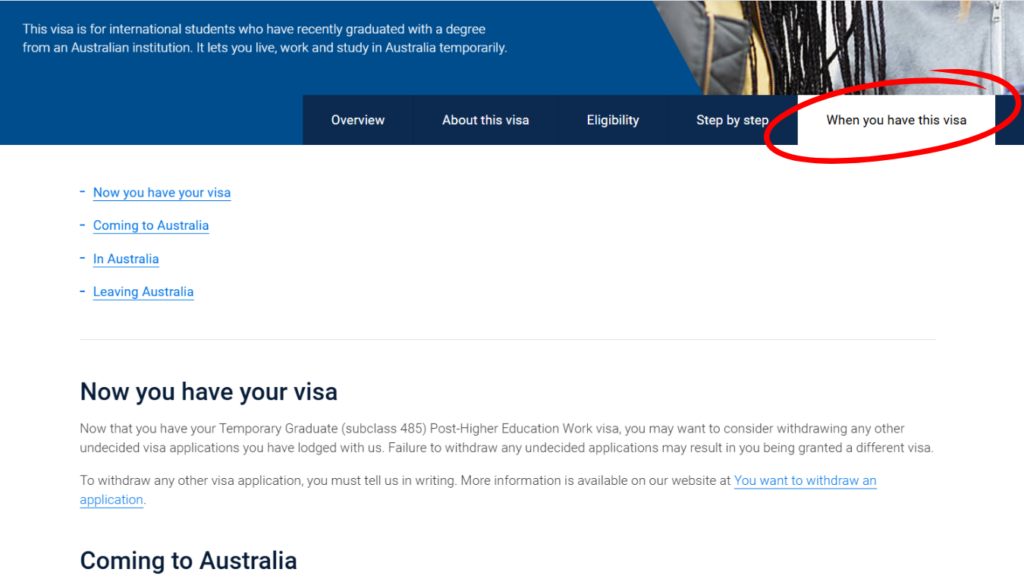
Each visa comes with specific conditions that must be adhered to, such as work limitations, study restrictions, and travel eligibility. It’s important to familiarize yourself with these conditions to avoid non-compliance, or ask your immigration lawyer for help. All the applicable visa conditions for each visa can be found on the IMMI website.
Breach of Conditions
Breaching visa conditions can result in penalties, including cancellation of your visa or being barred from re-entering Australia. Always ensure you remain compliant with all visa terms. As mentioned before, when it comes to these complex visa matters, the easiest – and safest – thing you can do is talk to an immigration law professional. They know your visa conditions inside and out, and will be quickly able to tell you what you can and can’t do on your particular visa to make sure you don’t breach any conditions (even by accident).
We always recommend SALIA Immigration Lawyers, as they’ve personally helped with our Australian visas, and we wouldn’t work with anyone else!
Common Legal Questions
What should I do if my visa is about to expire?
If your visa is expiring, you must either apply for a new visa or seek a Bridging Visa to legally stay in Australia while your new application is processed. There are a few different Bridging Visas, including:
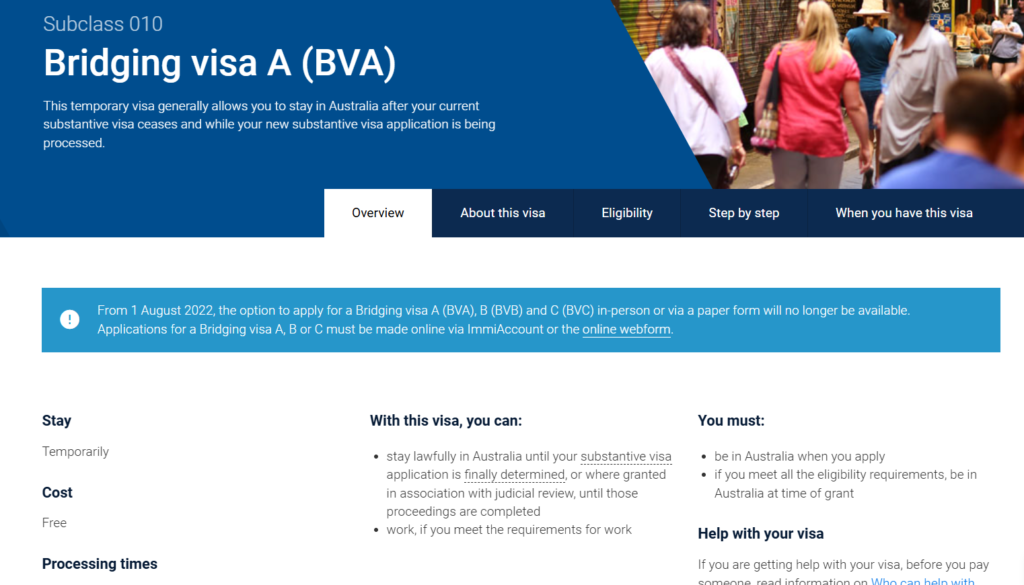
Bridging Visa A (BVA): This temporary visa generally allows you to stay in Australia after your current substantive visa ceases and while your new substantive visa application is being processed. This visa is free and is issued automatically. You must be in Australia when you apply. This visa doesn’t allow you to travel outside of Australia.
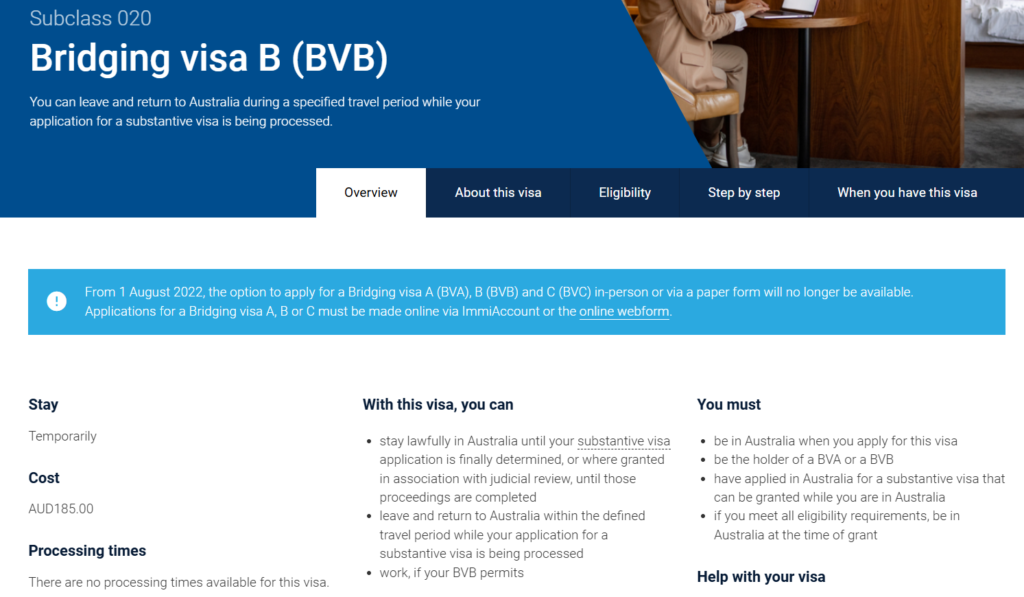
Bridging Visa B (BVB): With this visa, you can leave and return to Australia during a specified travel period while your application for a substantive visa is being processed. You must already hold a BVA to apply for this visa, and there is a cost involved (please check the linked website for current prices).
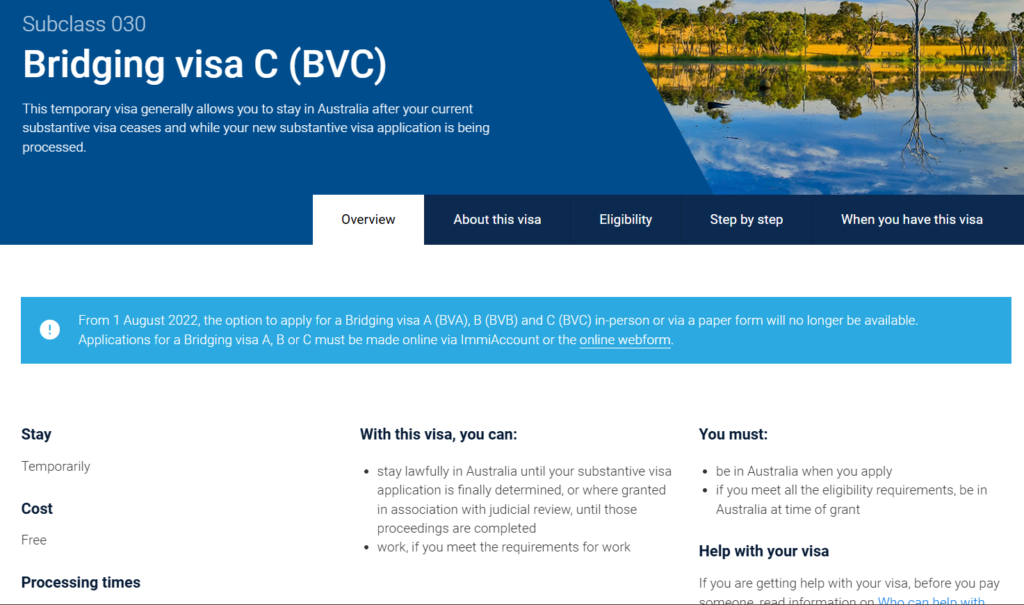
Bridging Visa C (BVC): This temporary visa generally allows you to stay in Australia while your substantive visa application is being processed, however unlike the BVA, you will be granted a BVC if you don’t already have a substantive visa (meaning you applied from another bridging visa, or you were staying in Australia unlawfully). This visa is free.
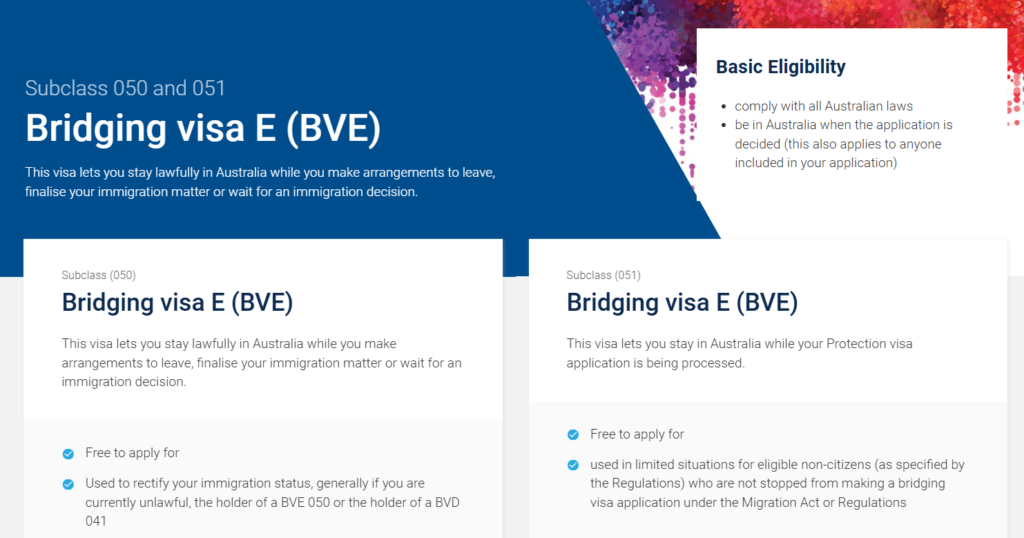
Bridging Visa E (BVE): This visa lets you stay lawfully in Australia while you make arrangements to leave, finalise your immigration matter or wait for an immigration decision. This is also a free visa.
Can I work while my visa application is being processed?
Whether you can work while your visa application is being processed depends on your current visa conditions. Some visa subclasses allow work, while others may not. Always check your visa grant notice for details, including your bridging visa conditions if applicable.
What are my rights if I am detained by immigration authorities?
You have the right to request legal representation and to be informed of the reasons for your detention. It is advisable to contact an immigration lawyer or a trusted support organisation immediately.
Documentation and Requirements
Accurate Documentation
Ensure that all documentation submitted is truthful and accurate. Providing false information can have serious legal consequences and may lead to visa denial or cancellation. White-lying can be especially tempting if you almost meet a certain requirement or condition for the visa, but remember: everything can, and usually is, verified by the DOHA when considering your visa, so generally speaking, it’s really not worth it. If you’re unsure whether you meet any requirements, your immigration lawyer can help guide you in the right direction.
Notify Changes
You are legally required to notify the Department of Home Affairs of any changes in your personal circumstances (e.g., changes to your address, employment status, or family situation) that could affect your visa status. As with the documentation point above, not doing so can result in your visa being refused or even cancelled – meaning even after it’s been granted.
Resources and Support
Department of Home Affairs (DOHA): The official government website provides resources, guidelines, and updates on immigration law and policies, including any updates to visas and their prices. Visa conditions change often, so it’s always a good idea to check the official department website for any information.
This also goes for discussing visa stories with people that got their visas years ago – what the conditions were then and what was required to get a visa 10 years ago is vastly different now, meaning their experience might not be of any support in your case.
Just be careful who you listen to and take advice from!
Community Legal Centers: Many non-profit organizations and community legal centers offer free or low-cost legal advice regarding immigration issues, both in person and online. Consider reaching out for support if you’re not sure what to do next in your immigration journey.
Conclusion
Navigating immigration law in Australia can be challenging, but understanding your rights and responsibilities is essential for success. Seeking professional legal advice significantly enhances your chances of getting the right visa and avoiding costly mistakes.
While managing your immigration matters on your own is possible, the risks of errors can lead to serious consequences down the line. Investing in qualified immigration lawyers or registered migration agents can not only reduce stress, but also significantly increase your chances of success.
Good luck—you’ve got this!
Disclaimer: The above is general information only and should not be taken as legal advice. Every situation is different, so we welcome you to book a consultation with us to provide personalised legal advice.
Marzena Fordonska: Immigration Law Specialist

Marzena Fordonska is an accomplished immigration lawyer with over a decade of experience in Australian migration matters. Originally from Poland, she arrived in Australia in 2013 and brings a unique perspective to her practice, combining personal migration experience with extensive legal expertise. Her impressive track record includes numerous successful cases before the Administrative Appeals Tribunal (AAT), as well as hundreds of happy new visa holders.
Beginning her career as a Case Manager and progressing through roles as an Education Agent and Registered Migration Agent, Marzena pursued her law degree to provide clients with the highest level of legal representation. Her journey from migrant to immigration law specialist reflects her deep commitment to helping others navigate the complexities of the migration system with compassion and professional excellence.
Book a consultation with Marzena
