
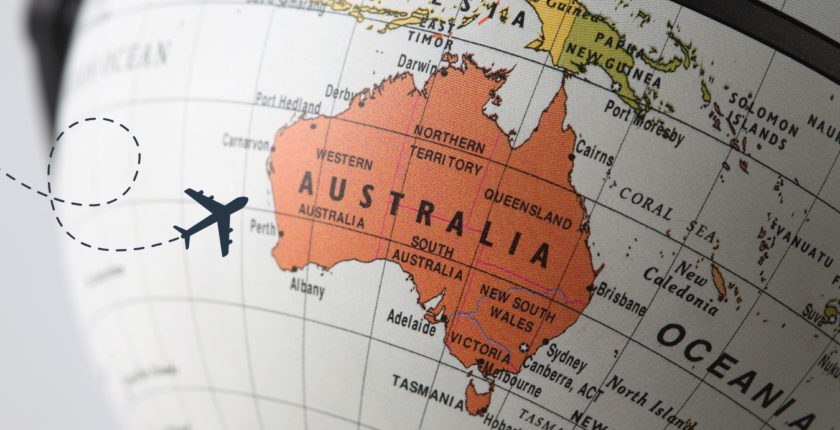
9 Major Challenges Moving to Australia + Solutions to Overcome Them
Moving to a new country represents one of life’s most transformative adventures, combining excitement with inevitable challenges. Australia, with its stunning landscapes, vibrant cities, and robust economy, continues to attract thousands of people from around the globe annually.
Whether you’re relocating for professional or educational reasons, or simply seeking a change of scenery, understanding the major challenges of moving to a new country like Australia—and knowing how to overcome them—can significantly ease your transition. This comprehensive guide explores the biggest problems you might face when moving to Australia, and provides practical solutions to ensure your move is a success!
Table of Contents
1. Legal & Visa Challenges
The Challenge: Complex Visa and Immigration Requirements
Australia maintains one of the world’s most structured immigration systems. The Department of Home Affairs oversees numerous visa categories, each with specific eligibility criteria, documentation requirements, and application processes. For many, the complexity begins with determining which visa pathway best suits their circumstances. If you plan on working in Australia, you might want to check out our detailed posts on Australian work visas here.
Common documentation challenges when moving to Australia include:
- Navigating the points-based skilled migration system
- Meeting health and character requirements
- Gathering certified documentation from multiple countries
- Understanding processing timeframes and planning accordingly
- Managing changing immigration policies and requirements
The Solution: Strategic Documentation Management
Start Early and Research Thoroughly: Begin your visa research at least 12-18 months before your intended moving date.
Consult with Migration Professionals: Registered Migration Agents (RMAs) and Immigration Lawyers in Australia must adhere to a professional code of conduct and can provide invaluable guidance through the visa process. While their services represent an additional expense upfront, their expertise often prevents costly mistakes and delays.

Create a Documentation System: Establish a digital and physical filing system for all immigration-related documents. Include checklists for each visa requirement and track submission deadlines. To make your (and the department clerk’s) life easier, make sure you name your documents and files accurately and appropriately, not “my passport” or “doc1405”.
Understand Tax Obligations: Australia has tax treaties with numerous countries to prevent double taxation. Consult with tax professionals in both your home country and Australia to understand your obligations when moving between tax jurisdictions.
Establish Your Australian Identity: Once arrived, prioritize obtaining your Tax File Number (TFN)-more on this here-, Medicare card (if eligible), and consider applying for an Australian driver’s license, which serves as a primary form of identification.
2. Housing & Accommodation: Finding Your Australian Home
The Challenge: Competitive Rental Markets and Unfamiliar Processes
Australia’s major cities—particularly Sydney and Melbourne—feature some of the world’s most competitive rental markets. For newcomers, the challenges extend beyond availability and affordability to include:
- Securing housing without local rental history or references
- Understanding the application process and tenant rights
- Navigating unfamiliar neighborhoods and property types
- Managing the financial aspects, including bonds (security deposits)
- Setting up utilities
- Finding temporary accommodation during your housing search
The Solution: Strategic Housing Search
Temporary Accommodation Planning: Book temporary accommodation for your first 2-4 weeks in Australia. Serviced apartments, apart-hotels, or Airbnb rentals provide flexibility while you search for permanent housing after moving.
Research Areas Before Arrival: Use resources like RealEstate.com.au and Domain to understand rental prices and availability in different neighborhoods. Consider factors like proximity to work/schools, public transport access, and local amenities.
Prepare a Rental Resume: Create a document highlighting your financial stability, previous rental history, employment details, and personal references. Including character references from previous landlords or employers can strengthen your application when moving to a new rental market.
Understand the Lease Process: Australian residential tenancy agreements typically run for 6-12 months. The bond (usually four weeks’ rent) must be lodged with the relevant state or territory bond authority, not held by the landlord.
Connect with Relocation Services: Many companies offer comprehensive relocation packages that include housing search assistance. If your employer doesn’t provide this benefit, consider investing in a private relocation consultant who understands the local market.
Utility Setup Strategy: Research utility providers before moving and arrange connections in advance where possible. Many providers offer “moving in” packages that streamline the process of establishing multiple services simultaneously.
If you want to learn more about housing, we have a detailed post on Australian accommodation right here.
3. Language & Communication
The Challenge: Australian English Nuances
While English is Australia’s official language, newcomers often find themselves surprised by the distinctive vocabulary, pronunciation, and communication styles. These language challenges when moving to Australia include:

- Understanding Australian slang and colloquialisms
- Building confidence in everyday interactions
- Adapting to different professional communication norms
- Communicating effectively in healthcare settings
The Solution: Cultural Immersion and Language Resources
Australian English Resources: Before moving, familiarize yourself with common Australian expressions through podcasts or YouTube channels dedicated to Australian English.
Language Exchange Opportunities: Join language exchange groups or community centers where you can practice English in a supportive environment. Many libraries and community centers offer free or low-cost conversation groups! MeetUp is also a great way to get started.
Professional Communication Training: Consider business English courses that focus on Australian workplace communication if you’re moving for professional reasons. Understanding email etiquette, meetings and presentation styles can make your workplace experience that much more enjoyable.
Translation Services: In Australia, NAATI (National Accreditation Authority for Translators and Interpreters) certified translators provide officially recognized translations for legal documents.
Digital Tools: Utilize language apps and digital dictionaries that include Australian English variations. The Macquarie Dictionary is considered the standard reference for Australian English.
4. Managing Money in Australia
The Challenge: Establishing Financial Foundations
Moving to Australia requires rebuilding your financials, often without the credit history or banking relationships you’ve established in your home country. Key challenges include:
- Opening bank accounts without Australian identification
- Building credit history from scratch
- Understanding the Australian taxation system
- Managing currency exchange and international transfers
- Planning for retirement in a new superannuation system
- Navigating different insurance requirements and providers
The Solution: Strategic Financial Planning
Pre-Arrival Banking: Several Australian banks allow non-residents to open accounts before moving to Australia. Commonwealth Bank, ANZ, Westpac, and NAB all offer this service, typically keeping the account dormant until you arrive and provide identification.

If you need more info on Australian banks, you can check out our post here detailing all the essential services in Australia.
Credit Building Strategy: Australian credit scoring differs from many countries. Start building your credit history by paying utilities on time, maintaining a positive bank balance, and eventually applying for a secured credit card with a low limit.
Tax Planning: Australia’s financial year runs from July 1 to June 30. Consult with a tax professional who specializes in expatriate taxation to understand how moving affects your tax obligations in both countries.
We’ve also got a full post on Aussie taxes here!
Currency Management: Research foreign exchange services beyond traditional banks, such as OFX, TransferWise (now Wise), or XE, which often offer better exchange rates and lower fees for international money transfers when moving countries. Another great solution, if you don’t want to convert your currency, is Revolut. This banking app allows you to keep your funds in your home currency, and when paying locally in Australia, it converts just this amount to Australian Dollars, without any extra fees!
Author’s Note: I’ve personally used Revolut in over 7 countries, and have not once had an issue with their currency conversion.
Superannuation Understanding: Australia’s mandatory retirement savings system requires employers to contribute 11% (as of 2025) of your salary to a superannuation fund. Research fund options and consider consolidating any existing retirement savings through international pension transfers where possible.
If you want to learn more about superannuation, you can check out our full post here.
Insurance Review: Australia’s insurance landscape includes compulsory third-party insurance for vehicles, private health insurance incentives, and various home and contents insurance options. Review all policies carefully when moving to ensure appropriate coverage, and ensure your coverage corresponds to your current visa, as student covers will differ from worker covers.
5. Healthcare
The Challenge: Understanding Medicare and Healthcare Access
Australia’s healthcare system combines public (Medicare) and private services, creating a hybrid model that can be confusing for new arrivals. Challenges include:
- Determining Medicare eligibility based on visa status
- Understanding what services are covered under public healthcare
- Finding appropriate healthcare providers
- Transferring medical records internationally
- Accessing mental health support during the transition of moving
The Solution: Healthcare Planning
Medicare Registration: If your visa makes you eligible for Medicare, register as soon as possible after moving by visiting a Services Australia office with your passport and visa documentation. Most permanent visas will grant you access to Medicare, while student and temporary visas will likely not make you eligible.

Private Health Insurance Assessment: Consider whether private health insurance suits your needs. The Australian government offers tax incentives for those with private coverage, and waiting periods apply if you don’t secure coverage promptly after arrival.
Healthcare Provider Research: Use the HealthDirect service to find doctors, specialists, and healthcare facilities in your area. Many practices indicate whether they “bulk bill” (direct bill Medicare with no out-of-pocket expense) or not – it’ll always be easier for you if they do bulk billing.
Medication Planning: Australia’s Pharmaceutical Benefits Scheme (PBS) subsidizes many medications, but not all international prescriptions have Australian equivalents. Before moving, obtain a detailed list of your medications (including generic names) and sufficient supply to last until you can establish care in Australia.
Mental Health Support: Recognize that moving countries is a significant life stressor. Familiarize yourself with mental health resources like Beyond Blue and Lifeline (13 11 14), which provide support during difficult transitions and general mentally-hard times.
Medical Records Transfer: Request complete medical records from your doctor before moving and have important documents translated if necessary. Consider digital storage options for easy sharing with new healthcare providers.
6. Finding Australian Employment
The Challenge: Entering a New Job Market
Australia’s employment landscape features unique characteristics that can challenge newcomers, including:
- Having qualifications recognized in the Australian system
- Understanding different resume formats and job application processes
- Navigating industry-specific licensing requirements
- Building a professional network from scratch
- Adapting to Australian workplace culture
- Understanding employment contracts and workplace rights
The Solution: Strategic Career Development
Qualification Recognition: Before moving, research whether your qualifications require formal recognition in Australia. The Australian Government’s Department of Education, Skills and Employment provides information about qualification recognition processes.
Professional Registration Research: Many professions in Australia require registration with regulatory bodies. Research requirements for your field before moving to understand any additional examinations or training needed.
Cultural Workplace Awareness: Australian workplace culture values politeness, empathy and maintaining professional boundaries. Australians are generally not too direct, so avoid brutal honesty and opt for walk-around, polite engagements.

Employment Rights Education: Familiarize yourself with the Fair Work website, which outlines minimum employment conditions, award rates, and workplace rights for all employees in Australia.
If you want to get more tips on how to land the perfect job in Australia, we’ve got a detailed post with tons of helpful work-related tips right here.
7. Social & Cultural Adjustment
The Challenge: Creating Community and Belonging
Perhaps the most profound challenge of moving to any new country is rebuilding your social life and finding your place in a new cultural context. In Australia, newcomers often face these challenges:
- Cultural adjustment and managing culture shock
- Building new friendships
- Understanding social rules and expectations
- Finding community groups that match your interests
- Maintaining connections with your home country
The Solution: Community Integration Strategies
Cultural Research: Before moving, learn about Australian cultural norms, including communication styles, social etiquette, and common activities. Understanding the importance of fairness, equality, and sports in Australian culture can ease your integration!
Cultural Celebration Integration: Participate in Australian cultural events like Australia Day, ANZAC Day, and local festivals, while also finding opportunities to share your own cultural traditions with new friends.

8. Education in Australia
The Challenge: Navigating a New Educational System
For families moving to Australia, education presents particular challenges:
- Understanding the differences between state and private education
- Finding appropriate schools that match children’s needs
- Managing enrollment timing and requirements
- Accessing higher education as an international student
The Solution: Educational Planning
System Research: Australia’s education system varies by state and territory. Research the curriculum frameworks, school terms, and assessment approaches before moving to prepare your family for differences.
School Visit Planning: If possible, schedule school visits during a trip before moving permanently. Virtual tours and interviews can also help when in-person visits aren’t possible or realistic.
Documentation Preparation: Gather academic records, immunization histories, and previous school reports. Having these translated and certified before moving can make the enrollment process much smoother.
Higher Education Research: For tertiary education, research Australia’s university application processes, which differ from many international systems. The Universities Admissions Centre (UAC) handles applications for many institutions in New South Wales and the Australian Capital Territory, while other states have their own application centers.

If you want to learn more the Australian education system, check out our detailed post on Australian education here.
9. Daily Life Logistics
The Challenge: Navigating Everyday Systems
The cumulative effect of learning multiple new systems simultaneously can be overwhelming when moving to Australia. Daily logistics challenges include:
- Understanding public transportation networks and payment systems
- Converting or obtaining an Australian driver’s license
- Finding familiar food products
- Learning waste management and recycling systems
- Adapting to different retail hours and service expectations
The Solution: Systematic Approach to Daily Life
Transportation Orientation: Research public transport options in your area before moving. Most Australian cities use contactless payment cards for public transport (like Opal in Sydney or myki in Melbourne). Download transit apps for real-time information.
Driving Preparation: Research the process for converting your license in your specific state or territory. Requirements vary, but many states allow newcomers to drive on their foreign license for three months after moving before requiring conversion.
Shopping Research: Familiarize yourself with major Australian grocery stores like Woolworths, Coles, Aldi, and specialty stores. Apps like Shopfully can help you find products and compare prices across different stores.

Local Information Sources: Bookmark local council pages that provide information about facilities, services, and events in your new neighborhood.
Conclusion
Moving to Australia represents both challenge and opportunity—a chance to reinvent your life under the southern sun while navigating the inevitable hurdles of international relocation. By understanding the major challenges and implementing strategic solutions, you can transform potential obstacles into stepping stones toward a successful Australian life.
Remember that adjustment happens gradually. Even with perfect preparation, expect a period of adaptation as you learn to navigate your new home. The commonly recognized stages of cultural adjustment—honeymoon, crisis, recovery, and adjustment—represent a normal progression when moving to any new country.
Australia’s unique combination of natural beauty, economic opportunity, cultural diversity, and quality of life continues to attract people from around the world. By approaching your move with thorough preparation, realistic expectations, and an open mind, you position yourself to join the ranks of those who have successfully made Australia their home.
Whether you’re drawn by professional opportunities, educational excellence, lifestyle benefits, or the simple allure of adventure, Australia offers rich rewards for those willing to embrace the challenges of international relocation. Your journey of moving to Australia may begin with logistical hurdles, but with persistence and the right support, it can evolve into one of life’s most rewarding chapters.
Good luck – you’ve got this!
